
Overview:
When it comes to fashion that combines both history and culture, Sindh fashion stands out as a testament to centuries-old traditions. Rooted in the heart of the Sindh region in Pakistan, traditional Sindh clothes reflect the vibrant spirit and rich heritage of the people. From the intricate craftsmanship of Sindhi culture to the timeless designs of Sindhi clothing, these garments are more than just fashion—they are a symbol of pride and identity.
In this blog, we will explore what makes Sindh fashion so special and why traditional Sindh clothes continue to influence modern wardrobes. Whether you’re looking for inspiration for your next wardrobe addition or are simply curious about this fascinating cultural style, you’ll find everything you need to know here
A Glimpse into the History of Sindh Fashion
Sindh fashion is shaped by the long history of the region, which was home to the ancient Indus Valley Civilization. Over thousands of years, Sindhi clothing has evolved, but it has always stayed true to its roots. Early Sindh clothes were created from locally sourced materials such as cotton, silk, and wool—each carefully chosen to suit the region’s climate, which is hot and arid for much of the year.
While traditional Sindh clothes were primarily functional, designed for comfort and durability, they also featured intricate embellishments that reflected the artistic spirit of the region. Embroidery, block prints, and beadwork were used to create beautiful patterns on garments that were as much works of art as they were clothing.
Key Components of Traditional Sindh Clothes
- Ajrak: The Symbol of Sindhi Culture
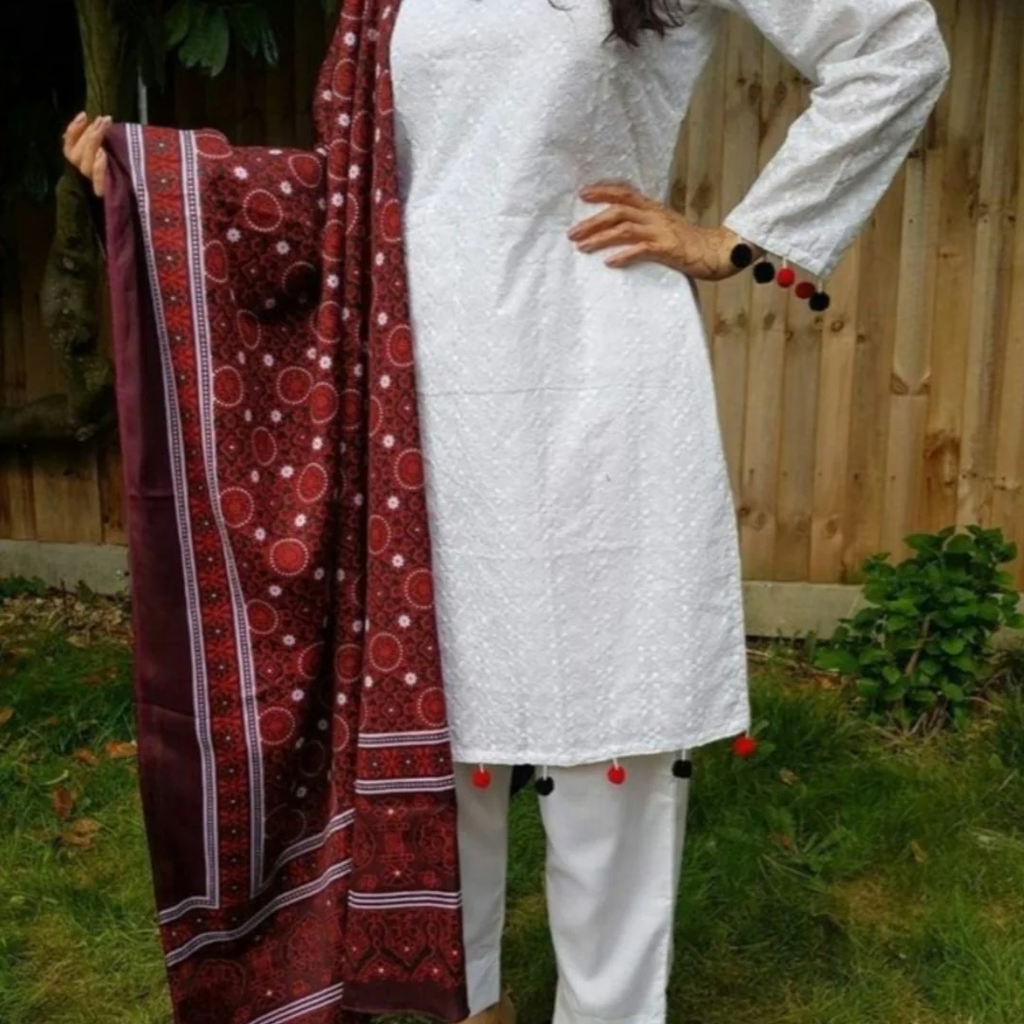
The most iconic element of Sindh fashion is undoubtedly the Ajrak. This beautiful, hand-block printed shawl has become a symbol of Sindhi culture. The deep colors, intricate geometric patterns, and vibrant designs are not only visually stunning but also hold cultural significance. Ajrak is often worn by both men and women and is draped over the shoulders or wrapped around the waist during important events and festivals.
Ajrak’s vibrant blue and red hues are symbolic of the Sindh landscape, from the desert to the rivers. The patterns tell stories of nature, spirituality, and human connection, making the Ajrak an essential piece of traditional Sindh clothes.
- Sindhi Topi: A Cultural Icon
The Sindhi Topi, a small embroidered cap, is another defining feature of Sindh fashion. Worn by men, the topi is embroidered with vibrant threads in a range of colors. The cap holds deep cultural meaning for the Sindhi people, representing their roots and cultural pride.
Sindhi Topis are traditionally worn during weddings, religious ceremonies, and cultural festivals, and they’re often paired with traditional Sindh clothes such as the kurta (a long shirt) and shalwar (loose-fitting pants).
- Ghagra Choli and Chador: Women’s Traditional Sindh Clothes
For women, traditional Sindh clothes include the Ghagra Choli (a long skirt paired with a short blouse) and the Chador (a long scarf or shawl). The Ghagra Choli is usually adorned with elaborate mirror work, beadwork, and embroidery, showcasing the artisan skills that have been passed down through generations. The Chador drapes over the body and is worn to complete the outfit, offering both grace and modesty.
The Ghagra Choli is often chosen for special occasions such as weddings and religious festivals, while the Chador symbolizes the modesty and dignity of Sindhi women.
The Modern Influence of Sindh Fashion
As we move into the 21st century, Sindh fashion has experienced a resurgence, not just in the Sindh region, but across the world. Designers are increasingly incorporating elements of traditional Sindh clothes into their collections, and Sindhi culture has found a place in global fashion trends.
Ajrak fabrics, for instance, are now being used to create modern-day garments, such as shirts, skirts, and even accessories like scarves and bags. This fusion of traditional elements with contemporary design has helped to introduce the rich beauty of Sindhi culture to a wider, more global audience.
Today, Sindh fashion is seen on international runways, in boutique stores, and even in street fashion, as more people are drawn to the uniqueness and history behind Sindhi garments. The blend of traditional craftsmanship and modern sensibilities has created a thriving market for Sindhi clothes around the world.
Why Sindh Clothes Are Worth Adding to Your Wardrobe
If you’ve never experienced the beauty of Sindh fashion before, here are a few reasons why you should consider adding traditional Sindh clothes to your collection:
- Timeless Elegance and Beauty
The timeless appeal of Sindhi clothes lies in their ability to transcend fleeting trends. Whether it’s the intricate embroidery, the unique Ajrak designs, or the understated elegance of the Sindhi Topi, Sindh fashion holds a special place in the world of fashion due to its cultural richness and timeless beauty.
- Cultural Connection
By wearing traditional Sindh clothes, you connect with a culture that has a deep, historical significance. Sindhi garments tell a story of resilience, creativity, and pride, allowing you to honor and appreciate Sindhi heritage while embracing it in your own fashion choices.
- Unique and Artistic
Sindh fashion stands out for its unique designs and hand-crafted artistry. Unlike mass-produced clothing, Sindhi clothes are often handmade by skilled artisans who use techniques passed down through generations. This ensures that each piece of clothing is one-of-a-kind and carries with it the essence of Sindhi craftsmanship.
- Sustainability
Most Sindhi clothes are made from natural fibers and dyes, many of which are eco-friendly. By choosing to wear these garments, you’re supporting sustainable fashion practices that preserve the environment and promote ethical craftsmanship.
FAQ Section About Sindh Fashion and Clothes
1. What are some key features of traditional Sindh clothes?
Traditional Sindh clothes are known for their vibrant colors, intricate embroidery, and unique block printing techniques like those seen in Ajrak. Key features include the Sindhi Topi for men, Ghagra Choli for women, and the elegant Chador.
2. Can Sindh clothes be worn for everyday occasions?
Absolutely! While traditional Sindh clothes are often reserved for special occasions, modern adaptations of Sindh fashion make them perfect for casual wear as well. Ajrak shawls and embroidered shirts can be easily incorporated into your daily wardrobe.
3. How do I incorporate Sindhi culture into my fashion?
You can incorporate Sindhi culture into your fashion by wearing Sindh fashion items like Ajrak shawls, Sindhi Topis, or even modern clothing pieces made from traditional Sindhi fabrics. Many fashion designers now offer contemporary pieces that celebrate Sindhi heritage.
4. Where can I find authentic Sindh clothes?
Authentic Sindh clothes can be found in local markets in Sindh, as well as online stores that specialize in traditional and handcrafted garments. Be sure to look for products made by local artisans to support their craft.
Conclusion
Sindh fashion is more than just clothing; it’s a living tradition that reflects the values, artistry, and history of the Sindhi people. Traditional Sindh clothes, like the iconic Ajrak, Sindhi Topi, and Ghagra Choli, continue to inspire both designers and wearers worldwide. These garments tell stories of cultural pride, ancient craftsmanship, and timeless beauty. By embracing Sindhi culture and incorporating these clothes into your wardrobe, you are not only honoring a rich heritage but also celebrating the artistry and spirit of Sindh.

Leave a Reply