
Sindhi attire is more than just clothing; it is a powerful symbol of identity, heritage, and pride for the Sindhi community. Rooted in centuries-old traditions, this style of dress showcases a striking blend of craftsmanship, color, and cultural significance. Today, as interest in global cultures continues to grow—especially among readers in the United States—Sindhi attire stands out as one of the most vibrant and meaningful forms of traditional clothing in South Asia. Moreover, its distinctive aesthetic and symbolic value have helped it maintain relevance in both modern and traditional settings.
Although fashion evolves constantly, Sindhi attire has preserved its core essence. This strong connection to history is what makes it especially fascinating for anyone exploring South Asian cultural garments. In addition, the story behind Sindhi clothing offers both cultural context and artistic appreciation, making it ideal for readers interested in heritage fashion.
A Deep-Rooted Cultural Identity
To understand Sindhi attire, it is important to begin with the people who created and preserved it. Sindhis originate from the region historically known as Sindh, located in present-day Pakistan. Their culture is known for its hospitality, artistic expression, and festive spirit. Consequently, their clothing naturally reflects these qualities. Sindhi attire is colorful, expressive, and richly embellished, which clearly symbolizes the community’s joyful nature.
Furthermore, almost every piece of traditional Sindhi clothing carries cultural meaning. Whether it is the embroidery, color palette, or patterns, the attire communicates pride and history. Even today, families pass down techniques through generations, ensuring that the art remains alive.
Traditional Clothing for Men
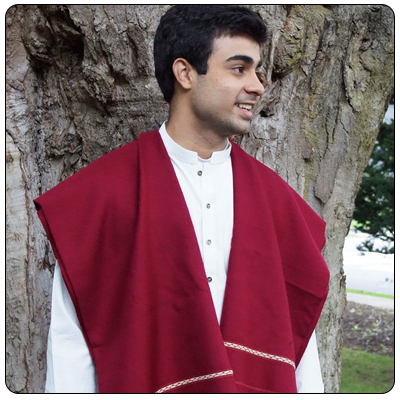
Sindhi men typically wear the Sindhi Topi, a cap that has become an iconic cultural symbol. The topi, often made using intricate cutwork and mirror embellishment, is worn proudly during festivals, cultural ceremonies, and formal gatherings. Additionally, it is often paired with the Ajrak, a hand-blocked shawl featuring deep reds, indigos, and mesmerizing geometric patterns.
Along with these accessories, men traditionally wear a shalwar kameez, which is both practical and comfortable. Although simple in form, it is the Ajrak and Sindhi Topi that elevate the outfit into something truly distinctive. In many cases, the craftsmanship of Ajrak alone can take several days to complete, demonstrating the devotion artisans have toward preserving Sindhi attire.
Traditional Clothing for Women
On the other hand, Sindhi attire for women is even more intricate. Women commonly wear beautifully embroidered dresses known as Sindhi frocks or ghagra cholis, each decorated with mirrorwork, colorful threads, and symmetrical patterns. This embroidery is known as Ralli or Ralli work, a technique believed to be centuries old.
Additionally, women often pair their outfits with an odhani, a traditional scarf draped gracefully over the shoulder or head. The odhani frequently features detailed patterns that complement the dress. Because each piece is handmade, no two outfits are identical, making Sindhi women’s attire both deeply personal and artistically unique.
The Artistic Craft Behind the Clothing
The true soul of Sindhi attire lies in its craftsmanship. Artisans devote hours—and sometimes weeks—to perfecting each garment. This level of commitment ensures that the beauty and authenticity of Sindhi embroidery remain intact.
Even though modern manufacturing processes exist, many Sindhi artists still rely on hand-embroidery techniques passed down through generations. As a result, the clothing maintains its original charm and authenticity. The use of bold colors, geometric motifs, and mirror detailing represents ancient aesthetic values that Sindhis continue to cherish.
Cultural Celebrations and Symbolism
Sindhi attire holds a special place during cultural events, weddings, and traditional festivals such as Sindhi Cultural Day. During these celebrations, people of all ages proudly wear traditional outfits to honor their heritage. Because the clothing symbolizes unity and identity, it plays a major role in cultural pride.
Furthermore, Sindhi attire has become increasingly popular among diaspora communities, especially in the United States. Wearing traditional clothing allows Sindhi families abroad to stay connected to their roots. Consequently, many U.S.-based cultural events, family gatherings, and community celebrations showcase this attire in all its vibrant beauty.
Sindhi Attire in Contemporary Fashion
Although deeply traditional, Sindhi attire has also found its way into modern fashion trends. Designers often incorporate Ajrak patterns, mirror embroidery, and Sindhi color palettes into contemporary styles. Therefore, the attire appeals not only to those who appreciate heritage fashion but also to trend-seekers looking for unique, artistic designs.
Moreover, as global fashion increasingly embraces cultural diversity, Sindhi attire offers an ideal blend of elegance, history, and individuality. This timeless style continues to inspire modern clothing items such as jackets, scarves, handbags, and accessories.
Why Sindhi Attire Matters Today
In a world where fast fashion dominates, traditional garments like Sindhi attire remind us of the value of handcrafted art. This attire is not just clothing; it is a cultural statement that honors generations of skilled craftsmanship.
Additionally, learning about Sindhi attire encourages cultural appreciation and awareness. As readers in the United States explore global traditions, understanding the significance of Sindhi culture contributes to a richer and more inclusive worldview.
Conclusion
Sindhi attire remains of the most beautiful expressions of South Asian heritage. Through its vibrant colors, handcrafted embroidery, and deep cultural symbolism, it embodies the spirit of the Sindhi community. Therefore, whether admired for its artistry or cherished for its heritage, Sindhi attire continues to captivate people around the world
FAQs to Help Rank Higher
1. What is Sindhi attire?
Sindhi attire refers to the traditional clothing worn by the Sindhi community, featuring handcrafted embroidery, mirrorwork, and vibrant colors.
2. What makes the Sindhi Topi special?
The Sindhi Topi is a cultural icon made with detailed cutwork and mirror embellishment, symbolizing Sindhi pride and identity.
3. What is Ajrak?
Ajrak is a traditional hand-blocked printed shawl featuring deep colors and geometric designs, essential in Sindhi culture.
4. Why is Sindhi attire unique?
Its uniqueness lies in its handmade craftsmanship, bold colors, symmetrical patterns, and cultural symbolism.
5. Is Sindhi attire worn outside Pakistan?
Yes. Sindhi communities worldwide, including in the United States, proudly wear traditional attire during cultural events and celebrations.
