
Sindhi dressing is a vibrant reflection of Sindh’s rich cultural heritage and history. Originating from the Sindh region in Pakistan, Sindhi attire has been celebrated for its distinctive designs, intricate embroidery, and colorful patterns. Over the years, this traditional dressing has gained recognition not only in Pakistan but also among Sindhi communities living in the United States, allowing them to preserve their cultural roots while blending modern fashion elements.
Overview of Sindhi Dressing
Sindhi dressing is defined by its bright colors, mirror work, and detailed embroidery. For women, traditional clothing typically includes Ajrak shawls, chunaris, and embroidered shalwar kameez, whereas men often wear Sindhi caps, kurta pajamas, and Ajrak-patterned turbans. The essence of Sindhi fashion lies in its ability to convey social identity, regional pride, and a sense of belonging to the Sindhi heritage.
In the United States, many Sindhi families continue to wear traditional attire during cultural festivals, weddings, and community gatherings. This practice not only celebrates the culture but also introduces Traditional Sindhi outfit to a global audience, sparking interest in the history and craftsmanship behind these designs.
Women’s Sindhi Dressing
Women’s Traditional Sindhi outfit is known for its elegance and intricate details. The Ajrak, a block-printed cotton fabric with unique geometric patterns, is a staple in Sindhi women’s fashion. Typically, women pair Ajrak with shalwar kameez, resulting in a comfortable yet stylish ensemble suitable for both casual and formal occasions.
Additionally, Sindhi women often accessorize their outfits with traditional jewelry such as bangles, earrings, and necklaces, which complement the colorful fabrics. Embroidered dupattas are also a key feature, adding sophistication and cultural authenticity to the attire.
Men’s Sindhi Dressing
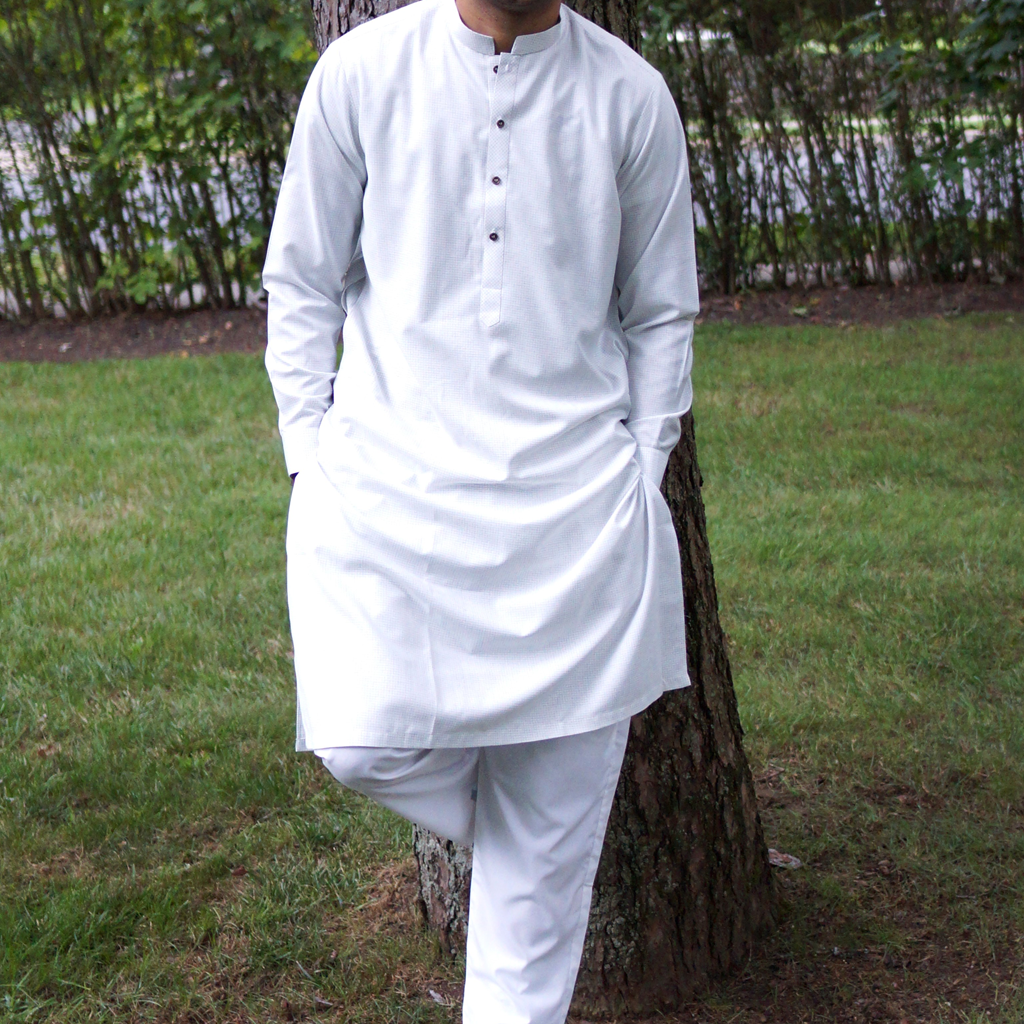
Men’s Traditional Sindhi outfit is equally distinctive, featuring elements like the Sindhi topi (cap) and the Ajrak scarf. The cap is traditionally embroidered with colorful patterns and serves as a symbol of pride in Sindhi heritage. Men typically pair these with kurta pajamas, which are comfortable for daily wear and formal events alike.
In the United States, Sindhi men often wear these traditional outfits during cultural events, helping preserve their heritage while educating others about Sindhi culture. The combination of comfort, cultural symbolism, and unique design makes men’s Traditional Sindhi outfit a timeless fashion choice.
Cultural Significance of Sindhi Dressing
Beyond aesthetics, Sindhi dressing holds deep cultural significance. Each pattern, color, and embroidery style tells a story of the region’s history and traditions. For instance, red and black Ajrak patterns are often associated with festivity and celebration, while certain embroidery motifs represent prosperity and protection.
For the Sindhi diaspora in the United States, maintaining these dressing traditions is a way to connect younger generations with their cultural roots. Schools, community centers, and Sindhi associations often organize events where wearing traditional Sindhi attire becomes a celebration of identity and heritage.
Modern Adaptations of Sindhi Dressing
While traditional Sindhi dressing remains popular, modern designers have begun incorporating these cultural elements into contemporary fashion. In the United States, you may find fusion outfits that combine traditional embroidery with modern cuts, making Traditional Sindhi outfit versatile for casual wear and formal occasions.
This blending of tradition and modernity ensures that Traditional Sindhi outfit continues to evolve, appealing to younger generations while respecting its cultural origins.
Tips for Wearing Sindhi Dressing in the United States
- Choose Comfortable Fabrics: Cotton and light fabrics are ideal for blending traditional Traditional Sindhi outfit with the U.S. climate.
- Accessorize Mindfully: Traditional jewelry enhances the look, but minimal accessories can make it suitable for casual events.
- Mix and Match: Pair Ajrak or embroidered elements with modern outfits to create a fusion look.
- Occasion-Specific Outfits: Save elaborate embroidery and rich colors for cultural events, weddings, or festivals.
FAQ on Sindhi Dressing
Q1: What is Sindhi dressing?
A1: Sindhi dressing refers to the traditional clothing of the Sindh region, featuring Ajrak fabrics, embroidery, and colorful designs.
Q2: What are the key elements of Sindhi dressing?
A2: For women, it includes Ajrak shawls, shalwar kameez, and traditional jewelry; for men, Sindhi caps, kurta pajamas, and Ajrak scarves.
Q3: Can Sindhi dressing be worn casually?
A3: Yes, lighter fabrics and minimal embroidery make it suitable for everyday wear while preserving cultural elements.
Q4: How is Sindhi dressing adapted in the United States?
A4: Many Sindhi-Americans incorporate traditional designs into modern outfits, wearing them during cultural festivals and family events.
Q5: Why is Sindhi dressing important?
A5: It represents cultural identity, heritage, and pride, passing traditional art forms and values to younger generations.
