
Pakistani decor in US homes has seen remarkable growth as more people look for meaningful cultural elements to enhance their living spaces. Although many home trends come and go, traditional Pakistani design remains timeless. In particular, the vibrant Sindhi patterns, handcrafted textiles, and cultural art pieces bring a warm, authentic aesthetic that feels both traditional and contemporary. As a result, homeowners across the United States are discovering how beautifully Pakistani decor blends with modern interior styles.
While minimalism and neutral palettes continue to dominate design trends, cultural decor offers the personality that standard interiors often lack. Therefore, adding Pakistani decor in US homes provides depth and individuality. It reflects heritage, history, and craftsmanship in a way that no mass-produced item can. This blog explores how Pakistani and Sindhi decor can transform an American home and why it has become increasingly popular.
The Rise of Cultural Home Styling in the United States
Across the US, people are turning toward global aesthetics to make their homes feel more expressive. Consequently, Pakistani decor in US markets is becoming easier to find, especially through online stores and specialty cultural shops. The charm lies in the authenticity of these items. Each product carries a story, a tradition, and a cultural meaning.
Moreover, Pakistani artisans are known for their attention to detail and exceptional craftsmanship. This makes Sindhi products especially admired among buyers who prefer handmade and culturally rich items rather than factory-produced decor. As cultural awareness grows, the demand for unique, meaningful designs continues to rise.
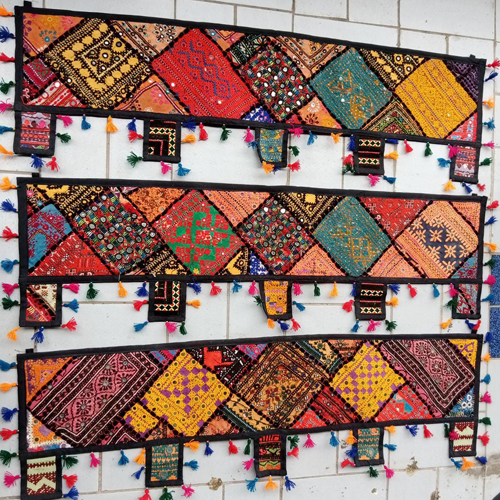
Why Pakistani Decor Stands Out
Pakistani decor stands out because of its bold colors, geometric patterns, and centuries-old artistry. Although American homes often focus on simplicity, cultural elements can balance the interior with color and depth. For example:
1. Sindhi Ajrak
Ajrak is one of the most iconic symbols of Sindhi culture. Its deep red, maroon, indigo, and black tones create harmony in any space. It can be used as a table runner, wall art, throw blanket, or even a framed textile piece.
2. Traditional Handcrafted Textiles
From embroidered cushion covers to handmade rilli quilts, each piece offers intricate stitching and vibrant colors. These textiles add warmth and personality, especially in living rooms and bedrooms.
3. Decorative Pottery
Sindhi pottery features earthy tones and cultural motifs, making it perfect for centerpieces, shelves, and side tables. While modern decor sometimes feels cold, this pottery brings a grounded and welcoming feel.
4. Cultural Wall Hangings
Wall hangings made with beads, mirrors, threads, and regional patterns help fill empty spaces with character. They work well in entryways, hallways, and home offices.
5. Handmade Baskets and Woven Decor
These pieces add texture and a natural aesthetic, blending seamlessly into modern and rustic home themes.
How Pakistani Decor Fits Into American Interior Styles
Although cultural decor is rich and colorful, it can still blend effortlessly with popular American interior styles. Here is how:
Modern Homes
Pakistani decor adds a vibrant contrast to modern interiors. For instance, a neutral living room can instantly feel more alive with embroidered cushions or an Ajrak throw.
Bohemian Spaces
Boho interiors thrive on cultural expression. Therefore, Sindhi products perfectly match the layered, artistic nature of bohemian design.
Minimalist Homes
A single Pakistani decor element, such as a bold Ajrak or pottery piece, can serve as a focal point without overwhelming the space.
Rustic and Farmhouse Styles
Hand-woven items, wooden decor, and traditional Sindhi pottery complement rustic designs beautifully.
Benefits of Using Pakistani Decor in US Homes
There are multiple advantages to incorporating Pakistani decor in US households, and some of the most notable include:
Authenticity
Every item reflects genuine craftsmanship and cultural heritage.
Durability
Pakistani textiles and handicrafts are known for their long–lasting quality.
Uniqueness
No two handmade items are exactly alike, making your home feel personalized.
Cultural Expression
Decor pieces serve as conversation starters and reflect a connection to heritage.
Affordability
Compared to high-end mainstream decor, Pakistani products offer better value without compromising quality.
How to Choose the Right Pakistani Decor for Your Home
Selecting Pakistani decor for your US home depends on style preference and the type of space you want to design. To make the process easier, consider the following tips:
Start Small
Instead of redecorating all at once, begin with cushion covers, wall art, or small pottery items.
Mix and Match
Combine cultural pieces with existing decor to maintain harmony.
Focus on Statement Items
A large Ajrak piece or handcrafted quilt can serve as the centerpiece of a room.
Consider Color Balance
Because Pakistani decor is often colorful, balance bold pieces with lighter backgrounds.
Support Authentic Artisans
Authentic products offer better quality and preserve cultural craftsmanship.
The Growing Demand for Pakistani Decor in the US Market
The increasing popularity of Pakistani decor in US households shows how people value culture, art, and meaningful design. Although trends may shift, cultural decor remains consistent because it connects people to history and tradition. Additionally, the rising interest in global aesthetics encourages more buyers to explore unique products from Pakistan, especially those from Sindh.
As more Americans appreciate the beauty of handcrafted decor, the presence of Pakistani products continues to expand. Therefore, brands offering authentic cultural items now have strong potential to grow in the US market.
Frequently Asked Questions (FAQs)
1. What makes Pakistani decor unique?
Pakistani decor is unique because of its bold patterns, handcrafted details, and cultural significance rooted in centuries-old traditions.
2. Can Pakistani decor work in modern US homes?
Yes. It blends well with modern styles by adding color, personality, and warmth without overpowering the space.
3. What are the most popular Sindhi decor items?
Ajrak, rilli quilts, embroidered cushion covers, pottery, and cultural wall hangings are among the most popular.
4. Where can I use Pakistani decor in my home?
You can use it in living rooms, bedrooms, hallways, or even home offices. It fits well in nearly every space.
5. Why is Pakistani decor becoming popular in the US?
The rise of cultural home styling and the demand for unique, meaningful products have contributed to its popularity.
