

The world of traditional artistry is vast, yet few regions offer the depth, diversity, and cultural richness found in handicrafts from Pakistan. These crafts are not only objects of beauty; they are living stories passed down through generations. Whether created in the vibrant deserts of Sindh, the mountainous valleys of Khyber Pakhtunkhwa, or the bustling artisan towns of Punjab, each item reflects heritage, identity, and exceptional craftsmanship. For customers in the United States, these crafts bring a meaningful connection to South Asian culture, while also supporting artisans who keep ancient skills alive.
To understand the beauty behind these creations, it is important to recognize the history and passion embedded in them. Pakistan’s handicrafts have been shaped by centuries of cultural exchange, Sufi traditions, royal patronage, and regional specialties. Therefore, exploring them reveals not just art, but also the spirit of a nation.
The Cultural Importance of Pakistani Handicrafts
Handmade items in Pakistan have long served as expressions of both individuality and community belonging. As a result, artisans often dedicate their entire lives to perfecting a particular craft. From pottery to hand-embroidered textiles, each piece reflects a philosophy rooted in patience, precision, and cultural preservation. Although modern manufacturing has gained prominence, traditional crafts still hold immense value because they represent authenticity and storytelling.
Craftspeople across Pakistan work with natural materials such as clay, wood, metal, camel skin, and cotton. Moreover, every process is carefully executed by hand. This ensures that no two pieces are exactly alike, giving each item a distinct personality. Furthermore, by purchasing handicrafts from Pakistan, buyers directly support artisans who rely on these timeless skills for their livelihood.
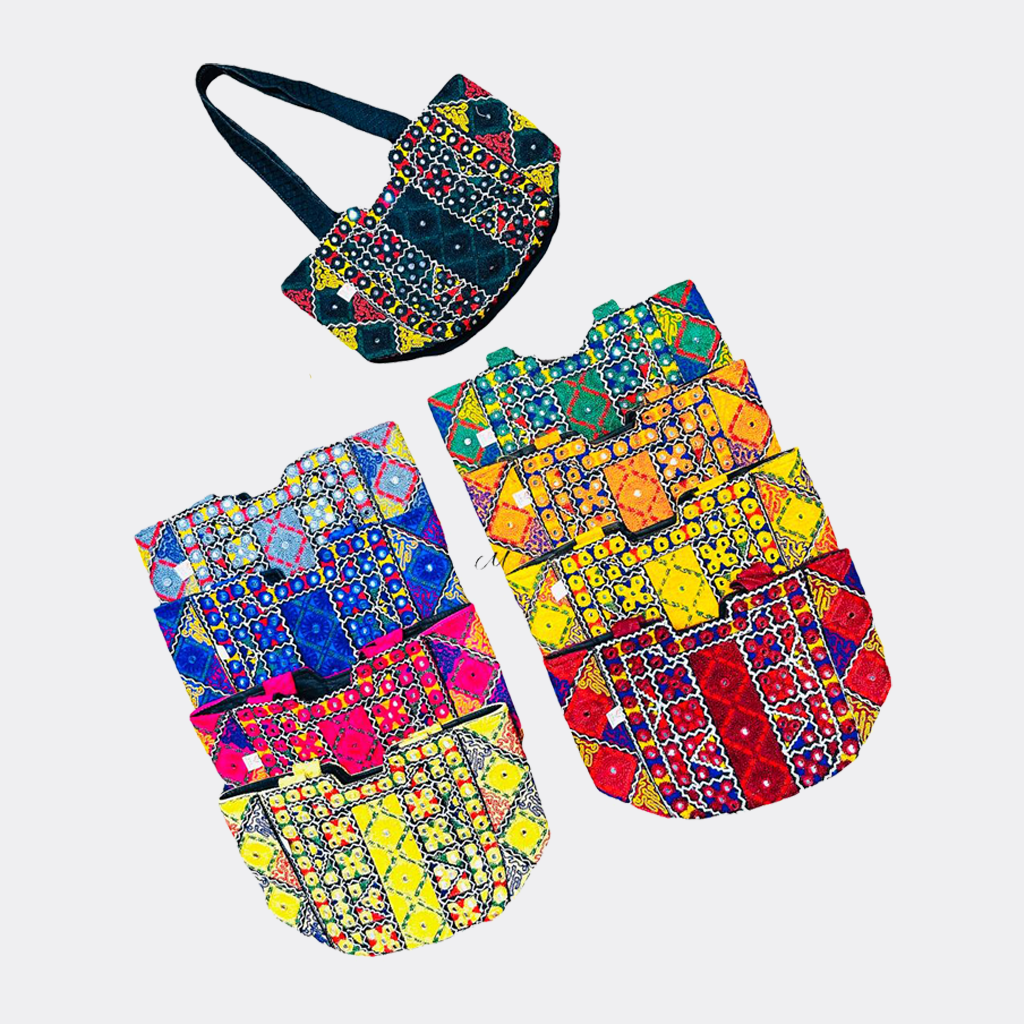
Sindhi Handicrafts: A Gem of Traditional Artistry
Sindh, in particular, is famous for its vibrant artistic culture. In fact, some of the most admired handicrafts from Pakistan originate from Sindhi communities. Their designs often include geometric patterns, mirror work, and symbolic motifs that trace back to ancient civilizations such as the Indus Valley.
Ajrak
Ajrak is one of Sindh’s most iconic crafts. It is a block-printed textile known for deep indigo and crimson shades. The process includes multiple stages of washing, dyeing, and printing using natural dyes. Consequently, crafting a single Ajrak requires immense dedication. People around the world value Ajrak not only for its beauty but also for its cultural symbolism.
Ralli Quilts
Ralli quilts are another treasured Sindhi handicraft. They are created by stitching together numerous small fabric pieces to form bold patterns. Although they may appear simple at first glance, each quilt involves intricate planning and sewing techniques passed through generations.
Sindhi Embroidery
Sindhi embroidery is instantly recognizable due to its vivid colors and signature mirror work. This craft is often used to decorate clothing, cushions, wall hangings, and home décor items. Interestingly, each community within Sindh has its own distinct embroidery style, making every piece unique.
Other Remarkable Handicrafts from Pakistan
Although Sindh contributes significantly to crafting traditions, the rest of Pakistan also offers a wide range of artisanal specialties. Consequently, exploring these crafts reveals the diversity of the nation’s artistic heritage.
Blue Pottery
Originating from the city of Multan, blue pottery is admired for its striking cobalt-blue patterns. These items include plates, tiles, vases, and decorative pieces. Additionally, the pottery is known for its durability and smooth finish, making it a popular choice for collectors.
Camel Skin Lamps
Camel skin lamps are exquisite examples of traditional creativity. Artisans shape camel skin into delicate lamp shades and then hand-paint them with cultural motifs. When lit, these lamps produce a warm and captivating glow.
Wooden Handicrafts
From intricately carved jewelry boxes to traditional furniture, wooden handicrafts remain an essential element of Pakistani culture. Regions like Chiniot are famous for their woodcarving expertise, which combines Mughal influences with local designs.
Brass and Copper Work
Metalwork is another significant craft. Artisans shape brass and copper into trays, kettles, decorative bowls, and more. These items often feature elaborate engravings, showcasing the skill and patience required to achieve such detailed work.
Why Handicrafts from Pakistan Are Valued Globally
Consumers around the world continue to appreciate Pakistani handicrafts for several reasons. First, they are handcrafted with unparalleled attention to detail. Second, they represent cultural authenticity, allowing buyers to own a piece of history. Third, the use of traditional techniques ensures exceptional quality.
Furthermore, as global interest in sustainable and ethically produced products grows, handmade crafts have become increasingly relevant. Purchasing these items supports environmentally friendly processes and provides fair opportunities to artisans.
Bringing Pakistani Handicrafts to the United States
For many people in the United States, these crafts serve as meaningful home décor, memorable gifts, or cultural collectibles. Additionally, they help individuals with South Asian roots stay connected to their heritage. As appreciation for world cultures continues to rise, so does the demand for authentic and responsibly sourced Pakistani crafts.
Whether someone is searching for Ajrak, embroidered textiles, pottery, or metalwork, handicrafts from Pakistan offer options that combine texture, tradition, and artistic excellence. Moreover, they reflect a unique identity that resonates across borders.
Final Thoughts
Handicrafts represent far more than decorative items. They embody cultural legacies, ancestral knowledge, and handmade charm. Therefore, choosing handicrafts from Pakistan means supporting centuries-old traditions and celebrating artistic mastery. As these crafts gain recognition worldwide, they continue to share the beauty of Pakistani heritage with new audiences, especially those in the United States.
FAQs
1. What makes handicrafts from Pakistan unique?
They are handmade using traditional techniques, natural materials, and culturally rich designs passed through generations.
2. Which regions in Pakistan are famous for handicrafts?
Sindh, Punjab, Khyber Pakhtunkhwa, and Balochistan each offer distinct artisanal specialties.
3. What are some popular Sindhi handicrafts?
Ajrak, Ralli quilts, and vibrant Sindhi embroidery are among the most well-known.
4. Are Pakistani handicrafts environmentally friendly?
Yes. Most items are handmade using sustainable materials and low-impact processes.
5. Why are Pakistani crafts popular in the United States?
They provide cultural authenticity, decorative beauty, and support ethical artisan communities.
Leave a Reply