

The demand for handicrafts of Pakistan in USA has grown significantly in recent years. American buyers increasingly appreciate handcrafted products that tell a story, hold cultural value, and showcase exceptional craftsmanship. Pakistani artisans, known for their devotion to detail and centuries-old techniques, are now gaining attention across the United States. From textiles and pottery to jewelry and home décor, the unique charm of Pakistani crafts continues to attract consumers seeking authenticity and artistry.
Pakistani handicrafts carry a distinctive cultural identity. Each craft represents a region, a tradition, and a narrative passed down through generations. This is one reason why the handicrafts of Pakistan in USA are becoming popular among homeowners, interior designers, collectors, and gift buyers. Whether it is the vibrant Sindhi Ajrak, the delicately carved wooden décor of Chiniot, or the intricate embroidery of Balochistan, these pieces resonate with people who appreciate handmade excellence.
The Rise of Pakistani Handicrafts in the American Market
The American market is shifting toward sustainable and meaningful purchases. Consumers prefer items that support artisans, preserve cultural heritage, and offer quality beyond mass production. This shift has directly supported the growth of the handicrafts of Pakistan in USA, as Pakistani craft traditions are deeply rooted in sustainability, natural materials, and slow craftsmanship.
Online stores, cultural expos, trade events, and Pakistani retailers operating in the USA have played a major role in introducing these crafts to diverse American audiences. Pakistani families living in the United States also contribute to this rising demand, as handicrafts help them stay connected to their traditions and introduce their culture to others.
Popular Handicrafts from Pakistan That Americans Love
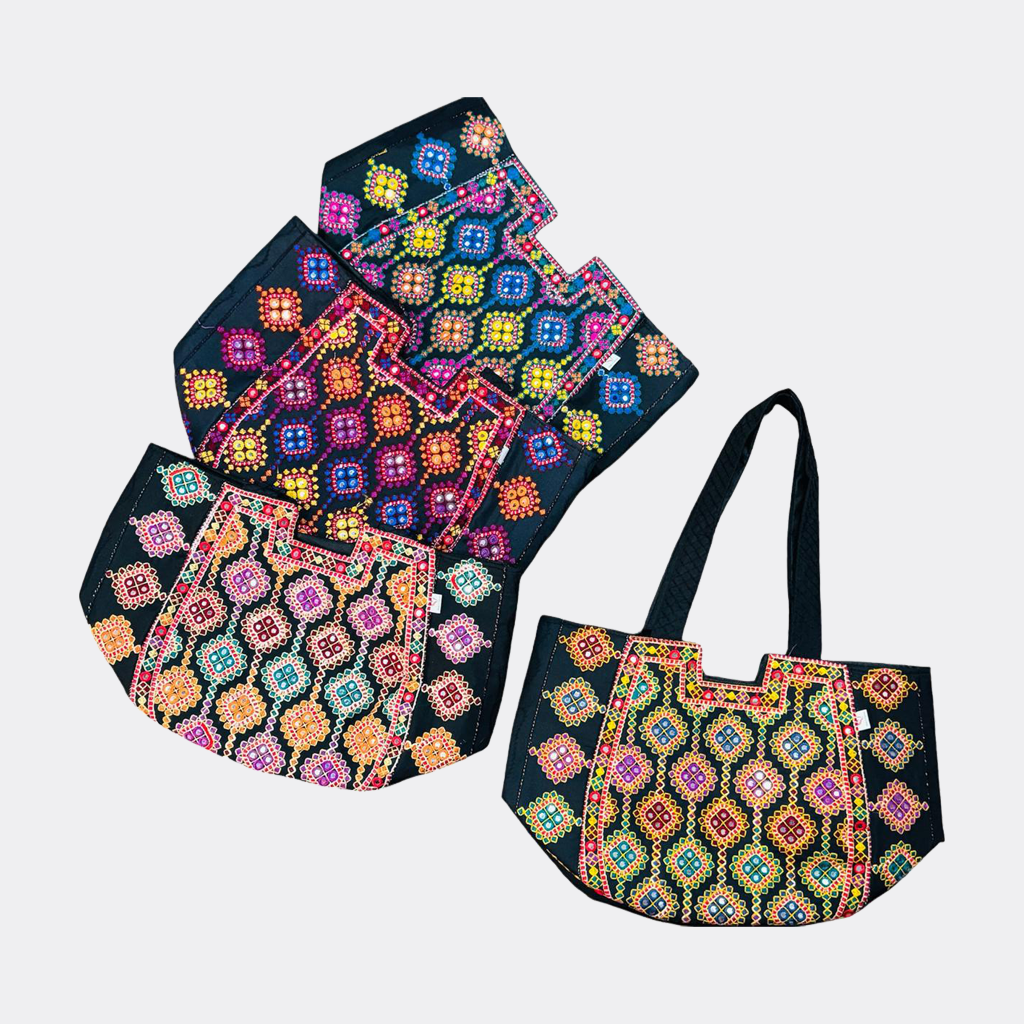
1. Ajrak and Traditional Textiles
Ajrak, a centuries-old block-printed textile from Sindh, is one of the most iconic handicrafts of Pakistan in USA. Its deep colors, natural dyes, and bold geometric patterns attract fashion lovers, designers, and collectors. Along with Ajrak, other popular textiles include Phulkari, Khaddi fabric, Sindhi ralli quilts, and handwoven shawls.
2. Wooden Handicrafts
Chiniot and Swat are famous for wood carving. Pakistani wooden décor, including jewelry boxes, wall art, small furniture pieces, and carved trays, are appreciated for their intricate handwork and durability. These items blend seamlessly into both traditional and modern American interiors.
3. Pottery and Ceramics
Multani blue pottery, known for its turquoise and cobalt blue tones, is one of the most sought-after handicrafts of Pakistan in USA. Bowls, vases, plates, and tiles made using ancient glazing techniques appeal to buyers who value artisanal home décor.
4. Handmade Jewelry
From Kundan-inspired sets to tribal Balochi jewelry, Pakistani accessories are popular for their vibrant stones and antique finish. These pieces stand out as statement items in the American fashion market.
5. Camel Skin Lamps and Decorative Pieces
Camel skin lamps from Multan and Sukkur have a unique glow and texture. Their handcrafted patterns make them a favorite among décor enthusiasts who appreciate exotic and uncommon art forms.
Why Pakistani Handicrafts Stand Out in the USA
The uniqueness of the handicrafts of Pakistan in USA lies in the blend of tradition and craftsmanship. Unlike factory-produced goods, each handcrafted piece carries individuality. Buyers appreciate the artistry, cultural significance, and handmade quality that cannot be replicated by machines.
Pakistani crafts are also known for:
- Natural materials
- Eco-friendly production
- Timeless designs
- Rich cultural symbolism
- Long-lasting quality
This makes them appealing to American buyers who value authenticity.
Supporting Artisans Through Global Trade
Purchasing Pakistani handicrafts helps support thousands of artisans, especially women in rural communities. Many American buyers prefer products that contribute to fair trade and empowerment initiatives. As awareness grows, the demand for ethical and meaningful products continues to rise.
Retailers selling handicrafts of Pakistan in USA play an important role in promoting cultures, supporting artisans, and preserving traditional crafts that might otherwise fade away.
How Pakistani Handicrafts Fit into Modern American Lifestyle
Pakistani handicrafts are versatile and adapt easily to modern trends. Ajrak scarves are worn with Western outfits. Blue pottery enhances minimalist décor. Wooden carvings add warmth to contemporary homes. This perfect blend of tradition and modernity has made Pakistani crafts popular among Americans looking for unique, meaningful pieces.
Conclusion
The rising demand for handicrafts of Pakistan in USA reflects a deeper appreciation for culture, quality, and creativity. As consumers search for items that tell a story and preserve heritage, Pakistani artisans continue to shine on the global stage. From textiles to décor and accessories, these crafts represent Pakistan’s identity, creativity, and timeless artistry. With growing interest and increasing visibility, the future of Pakistani handicrafts in the American market looks promising.
FAQ’s
1. Why are Pakistani handicrafts becoming popular in the USA?
Pakistani handicrafts are known for their cultural identity, handmade quality, and unique designs that appeal to American buyers seeking authenticity.
2. Which handicrafts of Pakistan are most in demand in the USA?
Ajrak, blue pottery, wooden craft, jewelry, camel skin lamps, and embroidered textiles are among the most popular items.
3. Are Pakistani handicrafts eco-friendly?
Yes. Most crafts use natural dyes, organic materials, and traditional handmade methods.
4. Can Pakistani handicrafts match modern American décor styles?
Absolutely. The textures, colors, and patterns blend well with both modern and traditional American interiors.
5. Who buys handicrafts of Pakistan in the USA?
Home décor enthusiasts, fashion lovers, collectors, interior designers, and Pakistani families looking to stay connected with their heritage.
Leave a Reply