

The cultural fashion of Pakistan has crossed borders in recent years. Yet among all traditional styles, the Pakistani Sindhi dress in US has captured exceptional attention. This unique style stands out not only for its vibrant colors but also for its strong cultural identity. As South Asian communities grow in American cities, the Sindhi dress has become a meaningful expression of heritage, belonging, and personal style.
Although many cultural outfits evolve over time, the Sindhi dress continues to preserve its authentic roots. With increasing demand for handcrafted pieces, American shoppers now appreciate the workmanship behind each garment. Therefore, the presence of Pakistani Sindhi dress in US fashion circles is expanding with every passing year.
Understanding the Heritage Behind Sindhi Clothing
Sindhi clothing is deeply tied to centuries-old craftsmanship. While many cultures rely on machine-made textiles, Sindhi artisans still follow traditional embroidery techniques. As a result, each dress reflects patience, creativity, and heritage.
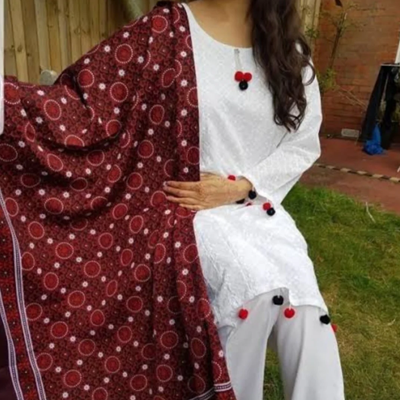
The most recognized element is Sindhi Ajrak, a block-printed textile known for its deep red, indigo, and black patterns. Additionally, mirror-work embroidery remains a signature craft. These pieces are often handmade, making them especially valuable for customers in the United States who admire authenticity.
Furthermore, the design of these dresses carries symbolic meaning. Geometric patterns, floral shapes, and symmetrical layouts pay tribute to ancient Sindhi aesthetics. This cultural depth is one reason the Pakistani Sindhi dress in US continues to gain attention among fashion enthusiasts and cultural wear buyers.
Growing Presence of Sindhi Dresses in the United States
In the United States, cultural fashion markets have expanded significantly. Although Pakistani clothing was once limited to specific communities, it is now a part of mainstream fashion events as well. Consequently, Sindhi dresses are becoming easier to find.
Moreover, Americans appreciate sustainable and handcrafted clothing. Since Sindhi dresses are often handmade using natural dyes and traditional techniques, they fit perfectly into this growing preference. Additionally, festivals, cultural gatherings, and community events further increase the demand for Sindhi attire.
The rising popularity is also supported by South Asian influencers who style traditional clothes in modern ways. As a result, the Pakistani Sindhi dress in US markets is no longer just an ethnic option; it is a fashionable, artistic, and highly expressive choice.
Key Features That Make Sindhi Dresses Stand Out
Although all Pakistani regional dresses are beautiful, Sindhi clothing has several unique characteristics. These features have contributed heavily to its popularity in the United States.
1. Vibrant Color Palettes
Unlike minimal modern styles, Sindhi dresses proudly embrace bold colors. Their rich shades make them ideal for cultural events, celebrations, and photography.
2. Detailed Hand Embroidery
Mirror work, thread patterns, and hand-stitched embellishments add unmatched charm. This craftsmanship increases both value and appeal.
3. Cultural Symbolism
The motifs found on Sindhi dresses often represent prosperity, nature, and historical tradition. Thus, wearing these outfits becomes a celebration of identity.
4. Versatile Styling Choices
Whether worn traditionally or paired with modern accessories, Sindhi dresses adapt effortlessly to various occasions. For this reason, they appeal to both younger and older buyers.
5. Use of Ajrak Fabric
Ajrak is perhaps the most iconic element of Sindhi culture. Its block-printed designs are admired globally, and they significantly influence the rising popularity of the Pakistani Sindhi dress in US fashion.
Why Americans Appreciate Sindhi Cultural Fashion
The American market has shifted towards cultural diversity in fashion. Many buyers seek clothing that tells a story. Consequently, Sindhi dresses attract individuals who value heritage, art, and authenticity.
Furthermore, the handcrafted nature of Sindhi clothing aligns with the sustainable fashion movement. Consumers prefer garments made ethically rather than mass-produced fabrics. Because Sindhi clothing is often handmade by skilled artisans, it fits this demand.
Additionally, South Asian weddings and festivals in the United States create a need for traditional attire. Since Sindhi fashion stands out visually, it is an increasingly preferred choice.
Modern Adaptations of Sindhi Dresses in the US Market
While the original designs remain timeless, modern variations make the style more accessible to younger audiences. These adaptations include:
- Lighter fabrics suitable for American weather
- Contemporary cuts that blend tradition with modern fashion
- Ajrak scarves paired with Western clothing
- Fusion outfits with Sindhi embroidery on modern silhouettes
Through these innovations, the Pakistani Sindhi dress in US continues to attract new generations while preserving its cultural essence.
Where Pakistani Sindhi Dresses Are Most Popular in the United States
Although Sindhi dresses are sold across the United States, they are especially popular in areas with strong South Asian communities. Cities such as Houston, New York, Chicago, and San Francisco host cultural events where these outfits are often worn.
However, demand also comes from non-South Asian buyers who appreciate handcrafted textiles. As awareness grows, the market is expected to expand further.
Conclusion
The journey of the Pakistani Sindhi dress in US fashion culture is inspiring. It reflects the blending of tradition, identity, and global appreciation. Even though styles evolve over time, the Sindhi dress remains a symbol of heritage, craftsmanship, and artistic expression. Consequently, its presence in American fashion is likely to grow stronger in the coming years.
Through its vibrant colors, unique embroidery, and deep cultural roots, the Sindhi dress continues to be more than just clothing. It is a living representation of history, pride, and the beauty of Pakistani tradition.
FAQs
1. What makes Pakistani Sindhi dress in US so popular?
Its handcrafted embroidery, vibrant colors, and cultural significance attract both South Asian and American buyers.
2. Is Sindhi dress suitable for modern fashion trends?
Yes. Many designers now create fusion outfits that blend Sindhi embroidery with contemporary styles.
3. What fabrics are commonly used in Sindhi clothing?
Ajrak fabric, cotton, and hand-embroidered textiles are most commonly used.
4. Can Sindhi dresses be worn for formal events in the US?
Absolutely. They are ideal for festivals, weddings, cultural celebrations, and even modern fusion styling.
5. Why is Ajrak important in Sindhi culture?
Ajrak represents centuries of cultural heritage and is considered a symbol of Sindhi identity.
Leave a Reply