

The sindh dress is one of the most celebrated traditional attires of South Asia, admired globally for its vibrant colors, cultural depth, and exquisite handiwork. Rooted in the heritage of the Sindh region, this timeless clothing style reflects centuries of craftsmanship, community values, and artistic expression. For people who appreciate cultural fashion, the Sindh dress continues to stand out as a meaningful and beautifully crafted attire that represents much more than just clothing.
This comprehensive guide explores the origins, cultural importance, materials, patterns, and modern adaptations of the sindh dress while delivering valuable insights tailored for readers in the USA who are interested in South Asian heritage and traditional wear.
Origins of the Sindh Dress
The tradition behind the sindh dress dates back thousands of years. Sindh, a region known for ancient civilizations such as Mohenjo-Daro, has long been recognized for its rich textile history. The clothing worn by men and women evolved through a blend of regional customs, trade influences, and artisanal development.
Historically, artisans in Sindh specialized in hand embroidery, mirror work, and natural dyeing techniques. These skills were passed down from one generation to the next, ensuring that the essence of the sindh dress remained alive and preserved throughout centuries.
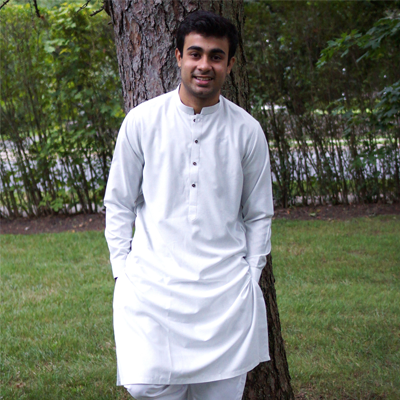
Cultural Significance of Sindhi Attire
Clothing in Sindh is not simply a practical necessity—it is an expression of identity, pride, and tradition. Men traditionally wear loose garments that provide comfort in the warm climate, while women’s attire often showcases detailed handwork.
The sindh dress carries cultural symbolism through its patterns, motifs, and colors:
- Red symbolizes happiness and celebration.
- Blue represents loyalty and spirituality.
- Black signifies strength and protection.
For festivals, weddings, and cultural gatherings, people often choose attire that showcases heavier embroidery and brighter shades. The dress becomes a representation of social belonging and cultural continuity.
Essential Elements of the Sindh Dress
For Women
Women’s sindh dress typically consists of:
1. The Gharara or Lehnga
Traditional flared bottoms decorated with threadwork, mirror work, and vibrant dyeing techniques.
2. The Choli or Kurti
A short blouse or long tunic embroidered by hand, often featuring intricate patterns.
3. The Ajrak Dupatta
The Ajrak is a signature part of Sindhi culture. It is a block-printed shawl in deep red, blue, and black hues. For many, an outfit is incomplete without an Ajrak, making it one of the most recognized symbols of Sindhi identity.
For Men
Men’s sindh dress often includes:
1. Loose-fitting Shalwar Kameez
Comfortable cotton garments suited to the climate.
2. Sindhi Topi
The traditional Sindhi cap is famous worldwide. Its unique circular shape and mirror detailing reflect the rich artisan heritage of the region.
3. Ajrak Shawl
Just like women, men also wear Ajrak for both everyday use and ceremonial purposes.
Craftsmanship Behind the Sindh Dress
The authenticity of a true sindh dress lies in its craftsmanship. Most traditional garments are handmade, requiring hours—or even weeks—of labor. Techniques include:
Hand Embroidery
Skilled artisans use colorful threads to create floral, geometric, and symbolic motifs.
Mirror Work
Small reflective pieces are sewn into the fabric to add sparkle and visual dimension.
Block Printing
Ajrak involves several layers of block printing using natural dyes. The entire process is sustainable and environmentally friendly.
Natural Dyeing
Traditional dyes include indigo, madder, and pomegranate rinds.
This detailed craftsmanship makes each sindh dress unique and deeply meaningful.
Modern Adaptations of the Sindh Dress
Today, the sindh dress has expanded beyond traditional boundaries. Modern designers incorporate Sindhi embroidery and Ajrak patterns into:
- Fashionable tops
- Scarves
- Handbags
- Jackets
- Home décor textiles
This modern evolution allows people—especially those living in the USA—to enjoy the beauty of Sindhi culture in versatile and contemporary ways.
Despite modernization, the core features of the sindh dress remain intact: authenticity, vibrant aesthetics, and cultural pride.
Why the Sindh Dress Appeals to a Global Audience
The sindh dress resonates with people worldwide for several key reasons:
1. Unique Artistic Identity
The craftsmanship and visual appeal make it stand out from other traditional clothing styles.
2. Cultural Richness
Wearing a sindh dress connects individuals to centuries of history, making it more than just attire.
3. Comfort and Versatility
Cotton and breathable fabrics make it ideal for a variety of climates—including many parts of the USA.
4. Symbolism and Heritage
For the Sindhi diaspora, the sindh dress is a reminder of home, family, and roots.
How to Style a Sindh Dress in the USA
Many Americans and South Asian immigrants incorporate Sindhi clothing into their lifestyle in various ways:
- As cultural wear for weddings, festivals, or heritage events
- As statement pieces for casual fashion
- As elegant garments for museum events, exhibitions, or international cultural days
Its versatility makes it both an expressive and functional choice.
Conclusion
The sindh dress is far more than a traditional outfit. It is a living representation of history, craftsmanship, and cultural identity. Whether worn for celebrations, heritage appreciation, or everyday fashion, it continues to inspire people globally—especially those in the USA seeking authentic cultural experiences.
By understanding its origins, craftsmanship, and evolution, one can truly appreciate the value and artistry behind this remarkable attire.
FAQ’s:
1. What is the sindh dress?
The sindh dress is the traditional attire of the Sindh region, known for its rich embroidery, vibrant colors, and cultural symbolism.
2. What makes Sindhi clothing unique?
Its uniqueness comes from handcrafted embroidery, mirror work, natural dyes, and signature Ajrak block printing.
3. Is the sindh dress worn only for special occasions?
No. While it is often worn for festivals and weddings, lighter versions are used daily.
4. What fabrics are used in Sindhi attire?
Cotton, silk, and naturally dyed textiles are commonly used.
5. Why is Ajrak important in the sindh dress?
Ajrak symbolizes cultural pride and skilled craftsmanship, making it a central part of Sindhi clothing.
If you’d like, I can format this for WordPress, add headings for Yoast, or create versions targeting US audiences further.
Leave a Reply