

The Sindhi Ajrak is one of the most culturally significant and visually striking traditional textiles. This hand-printed fabric, with its bold colors and intricate patterns, has represented the rich heritage of the Sindh region for centuries. More than just clothing, Ajrak embodies a living tradition that families have preserved for generations.
If you want to explore its fascinating history or discover ways to incorporate it into modern fashion, this blog will guide you. You’ll learn about Sindhi Ajrak’s cultural roots and see how it continues to inspire contemporary wardrobes today.
What is Sindhi Ajrak?
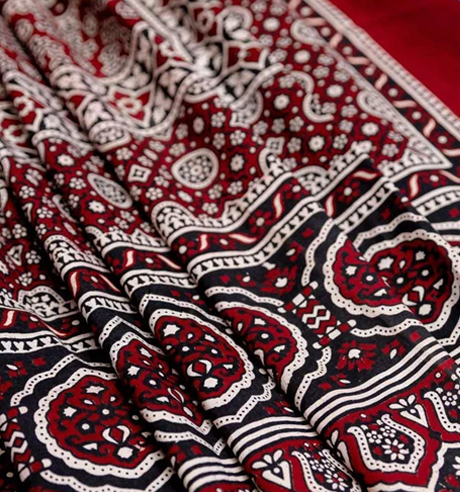
Sindhi Ajrak is a type of block-printed fabric that artisans have created in Pakistan’s Sindh region for over 2,000 years. The term “Ajrak” refers to the printing process, which uses natural dyes and carved wooden blocks to form stunning geometric patterns.
Artisans typically use cotton or silk, offering both comfort and durability. The prints feature symmetrical and intricate designs, often including floral motifs, paisleys, and geometric shapes. Beyond their visual appeal, the patterns carry symbolic meanings, reflecting nature, spirituality, and the rich heritage of Sindh.
What makes Sindhi Ajrak unique is the careful craftsmanship behind each piece. Artisans dye and print the fabric with natural, organic materials such as indigo, pomegranate, and madder root. Because each block-printed process is handcrafted, no two Ajrak pieces are identical. Every shawl, scarf, or garment becomes a one-of-a-kind work of art.
The History and Significance of Sindhi Ajrak
The origins of Sindhi Ajrak go back to the Indus Valley Civilization, one of the oldest urban civilizations in the world. Artisans in Sindh have used indigo dye and block printing techniques for thousands of years. Over time, they refined these methods, giving rise to the distinctive Sindh Ajrak we see today.
Ajrak holds deep cultural significance in Sindh. Historically, people of all social classes wore it, and it remains an essential part of Sindhi life. Communities consider Ajrak sacred, using it in ceremonies, rituals, and special occasions. Its colors and patterns carry spiritual meanings, symbolizing harmony between nature and human life.
For instance, indigo dye represents water, while rich red hues symbolize the warmth of the sun. Green, commonly found in Ajrak designs, reflects the fertile land and the agricultural heritage of Sindh. These symbolic meanings add depth to every piece, making each Ajrak not just a textile, but a story woven into fabric.
Moreover, the patterns and colors guide artisans in creating designs that honor tradition while remaining visually striking. Consequently, Sindh Ajrak continues to inspire both traditional and contemporary fashion today.
The Art of Creating Sindhi Ajrak
Creating Sindhi Ajrak is an intricate process that demands skill and patience. Artisans begin by selecting high-quality cotton or silk fabric, then treat it with natural dyes. The dyeing process itself can take several weeks because the fabric undergoes multiple dye baths to achieve the vibrant colors that define Sindh Ajrak.
After dyeing, artisans start the block-printing process. They carve detailed designs into wooden blocks and dip them into dye before stamping the patterns onto the fabric. This process repeats several times, adding different colors layer by layer until the final design emerges. Each piece becomes a unique work of art, showcasing the artisan’s craftsmanship.
How to Wear Sindhi Ajrak Today
In today’s fast-paced fashion world, Sindhi Ajrak continues to stand out for its timeless appeal. Although it was once primarily worn as a shawl or headscarf, modern fashion now finds creative ways to include this beautiful fabric in everyday wardrobes.
As a Scarf or Shawl: The most traditional way to wear Sindhi Ajrak is as a scarf or shawl. Its bold patterns and rich colors instantly elevate both casual and formal outfits, making it an eye-catching accessory.
In Modern Garments: Today, designers are incorporating Sindhi Ajrak into dresses, blouses, skirts, and even jackets. This fusion of traditional textiles with contemporary styles brings Ajrak into mainstream fashion, allowing you to wear heritage with a modern twist.
As an Accent Piece: If you prefer a subtler approach, you can use Sindhi Ajrak as an accent. Adding an Ajrak-printed bag, shoes, or headscarf instantly introduces ethnic elegance to your outfit without overwhelming your look.
In Home Décor: Sindhi Ajrak’s charm isn’t limited to fashion. Many people now use this vibrant fabric for home décor. Ajrak-printed tablecloths, curtains, and cushions add cultural flair and a pop of color to any living space, blending tradition with contemporary interiors.
With these ideas, you can enjoy the beauty and heritage of Sindhi Ajrak every day, whether through your wardrobe or your home décor.
Why Sindhi Ajrak is Still Relevant Today
While Sindhi Ajrak has a long history, it continues to be relevant today for several reasons:
- Cultural Heritage: Wearing Sindhi Ajrak is a way to connect with the rich history and traditions of Sindh. The patterns and colors tell a story of the region’s culture, spirituality, and natural beauty.
- Sustainability: The traditional process of making Sindhi Ajrak uses natural dyes and eco-friendly materials, making it an environmentally sustainable choice in today’s fashion world.
- Timeless Fashion: Sindhi Ajrak is a versatile textile that never goes out of style. Its unique designs and colors ensure that it remains fashionable season after season.
- Craftsmanship: Each piece of Sindhi Ajrak is a work of art, crafted by skilled artisans who have honed their craft over generations. By wearing Sindh Ajrak, you’re supporting traditional artisanship and preserving these ancient techniques.
FAQ Section About Sindhi Ajrak
1. What makes Sindhi Ajrak different from other block-printed fabrics?
Unlike other block-printed fabrics, Sindh Ajrak is made using natural dyes from plants and minerals. The process of block printing is done by hand, resulting in intricate and unique patterns that are symbolic of Sindhi culture and nature.
2. Can Sindhi Ajrak be worn in all seasons?
Yes, Sindhi Ajrak is versatile enough to be worn in all seasons. In the summer, lightweight cotton Ajrak shawls or scarves can keep you cool, while in the winter, the fabric’s warmth and color richness make it perfect for layering.
3. How do I care for Sindhi Ajrak?
To preserve the vibrant colors and intricate patterns of Sindhi Ajrak’s, it’s recommended to hand wash the fabric in cold water with mild detergent. Avoid wringing or twisting the fabric to prevent damage.
4. Where can I buy authentic Sindhi Ajrak?
Authentic Sindhi Ajrak can be found in traditional markets in Sindh, or online through specialized stores that offer handcrafted ethnic fabrics. Be sure to look for products made by local artisans to support the craft.
Conclusion
Sindhi Ajrak is a timeless textile. Its stunning patterns, rich colors, and deep cultural significance make it a true work of art. Whether worn as a shawl, incorporated into modern garments, or used as home décor, Sindhi Ajrak brings elegance and heritage into any setting. Wearing this exquisite fabric allows you to connect with a cultural legacy that has endured for centuries.
Leave a Reply