

Understanding cultural clothing is an essential way to appreciate the traditions of any community. When exploring South Asian heritage, the Sindhi people stand out for their vibrant history, artistic skills, and distinctive fashion identity. Therefore, learning about sindhi dress male and female provides a unique insight into how clothing carries both meaning and tradition within Sindhi society. This guide offers an in-depth look at the traditional garments, their origins, cultural symbolism, and the ways these outfits continue to evolve.
The Cultural Roots of Sindhi Clothing
Sindh, located in southern Pakistan, has been home to one of the world’s oldest civilizations. Consequently, the clothing seen today continues to reflect influences from ancient artisans, regional trade routes, and centuries-old craftsmanship. The Sindhi community values modesty, colour, comfort, and symbolism, which are all strongly visible in their clothing choices. Although fashion has naturally changed over time, the essence of traditional Sindhi garments remains the same.
Moreover, the Sindhi dress male and female category offers a clear look at how both functional needs and cultural pride shape their clothing designs. Each garment, whether simple or heavily embroidered, is crafted with meaning and showcases local artistry.
Traditional Sindhi Dress for Men
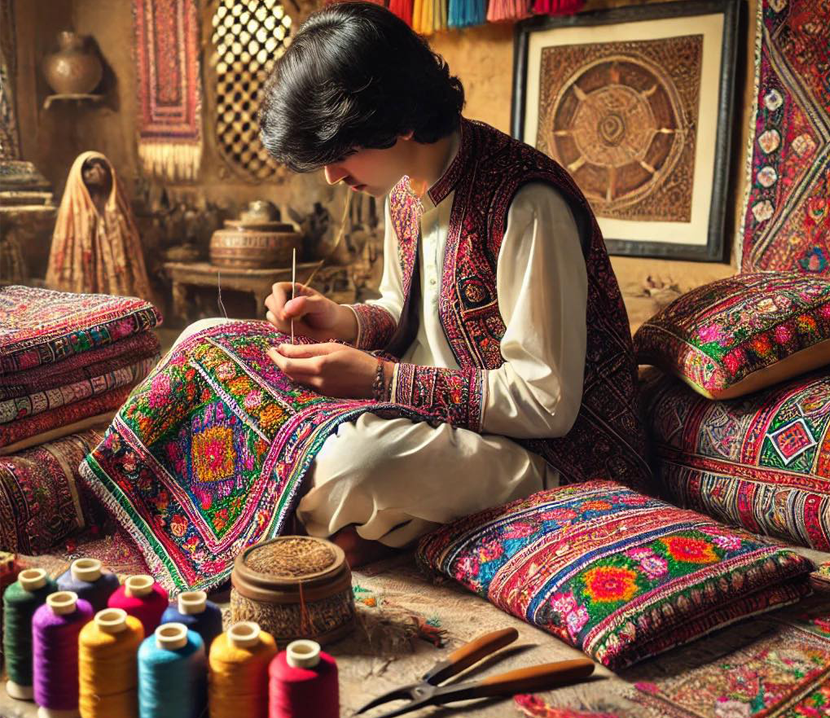
To understand the men’s side of sindhi dress male and female, one must begin with the classic kurta and pajama or shalwar combination. Sindhi men commonly wear loose and breathable fabrics suited for warm climates. Cotton remains the most widely used material, although blended fabrics have become popular in modern wardrobes
1. The Sindhi Kurta
The kurta worn by Sindhi men is slightly longer and broader than the styles found in neighboring regions. It often features minimal embroidery, which helps preserve its traditional simplicity. However, certain ceremonial kurtas include handwoven designs or mirror work to reflect Sindhi craftsmanship.
2. The Ajrak
No discussion of Sindhi clothing is complete without mentioning the Ajrak. This iconic block-printed shawl symbolizes honor and respect. Men wear it on the shoulder, around the neck, or even as a turban. Its deep colors, usually dominated by maroon, indigo, and black, come from natural dyes. Additionally, each Ajrak piece requires precise block printing done by artisans who preserve techniques passed down through generations.
3. Sindhi Topi
The Sindhi cap, or topi, is another essential part of traditional menswear. Typically round, with a front arch and detailed embroidery, the Sindhi topi represents cultural identity. It is more than a fashion accessory; it serves as a symbol of dignity and belonging.
Traditional Sindhi Dress for Women
When exploring sindhi dress male and female, women’s clothing stands out for its rich embroidery and expressive aesthetics. Sindhi women have always been known for their exceptional needlework, and their attire reflects this pride.
1. The Sindhi Cholo and Ghagra
The cholo (blouse) paired with a ghagra (skirt) is one of the oldest traditional outfits for Sindhi women. The cholo is often fitted and heavily decorated with colorful threadwork, mirror pieces, and geometric patterns. The ghagra, equally vibrant, features wide flares for comfort and movement.
2. The Embroidered Dupatta
The dupatta completes the outfit, often serving as the statement piece. Sindhi dupattas feature tiny mirror inserts, thread embroidery, and unique stitches that highlight artisanal skills. The designs differ across districts, making each piece culturally specific.
3. Ajrak for Women
Just like Sindhi men, women also wear the Ajrak. It may be styled over clothing or used as a head covering, especially during ceremonies. Additionally, women’s Ajraks sometimes feature softer patterns compared to men’s versions.
Symbolism and Craftsmanship
The Sindhi dress male and femle tradition highlights the culture’s deep love for artistic detail. Much of the embroidery, including Hurmacho, Soof, and Kacho stitch, is still done by hand. These stitches represent not only beauty but also the heritage of generations of skilled women artisans.
Patterns found in Sindhi clothing often symbolize harmony, prosperity, and spirituality. For example, mirror work is believed to ward off negative energy, while geometric motifs represent balance and strength.
Modern Adaptations of Traditional Sindhi Clothing
While traditional clothing remains popular for celebrations, festivals, and cultural events, modern Sindhis have adapted these styles into everyday fashion. Urban designers frequently incorporate Ajrak prints into contemporary outfits such as jackets, scarves, and dresses.
Furthermore, younger generations appreciate the cultural value of their garments and continue to wear them with pride. This blend of tradition and modernity keeps Sindhi fashion relevant and respected both locally and internationally.
Why Sindhi Clothing Remains Significant Today
The continued popularity of sindhi dress male and female lies in its emotional and cultural importance. Although trends change, the Sindhi community’s connection to its heritage remains strong. Clothing allows people to express identity, honor tradition, and celebrate their ancestry. As a result, traditional garments remain an essential part of festivals, weddings, and everyday life.
In addition, the global interest in handmade and artisan pieces has allowed Sindhi crafts to reach international audiences. This increased visibility helps artisans maintain their livelihoods and encourages younger generations to learn and preserve these skills.
Conclusion
Sindhi clothing is far more than fabric and embroidery. It is a reflection of history, creativity, and cultural identity. Whether examining the intricate women’s outfits or the elegant clothing for men, the Sindhi dress male and femle tradition tells a powerful story of heritage. Understanding these garments allows people across the world to appreciate an important part of South Asian culture. As Sindhi fashion continues to evolve while staying true to its roots, its beauty remains timeless.
Frequently Asked Questions (FAQs)
1. What is the traditional sindhi dress for men?
Sindhi men traditionally wear a kurta and shalwar paired with the symbolic Ajrak shawl and Sindhi topi.
2. What do Sindhi women usually wear?
Sindhi women commonly wear the cholo and ghagra with a heavily embroidered dupatta.
3. Why is Ajrak important in Sindhi culture?
Ajrak symbolizes dignity, respect, and centuries-old craftsmanship known worldwide.
4. What type of embroidery is found in Sindhi clothing?
Sindhi clothing features Soof, Hurmacho, Kacho, and mirror work embroidery.
5. Are Sindhi dresses still worn today?
Yes, traditional pieces remain popular, especially during cultural events, festivals, and ceremonies.
Leave a Reply