

Introduction: Celebrating Culture Through Clothing
Traditional fashion carries a story, and few styles capture history and artistry the way the sindhi outfit does. Originating from Sindh, a culturally rich region with deep roots in craftsmanship, this timeless attire has become admired across the world, including in the United States. Whether worn for cultural events, weddings, festivals, or simply as a statement of personal style, the Sindhi outfit represents far more than fabric. It reflects identity, artistry, and heritage.
In this comprehensive guide, you will discover the history, key elements, styling tips, and modern adaptations of this beautiful traditional attire.
The History of the Sindhi Outfit
The Sindhi outfit is an elegant reflection of thousands of years of cultural evolution. Sindh has long been celebrated for its artistic communities, woodblock printing, rich dyes, and intricate threadwork. As trade routes passed through the region, techniques and fabrics blended, creating a style that is both unique and culturally layered.
Historically, two major features defined the Sindhi style:
- Ajrak – a block-printed textile known for its deep reds, indigos, and symmetrical patterns.
- Mirror Work – delicate hand embroidery that used tiny mirrors to create shimmer and dimension.
These elements remain central today, although modern versions of the Sindhi outfit introduce slimmer cuts, softer fabrics, and contemporary designs that appeal to global audiences.
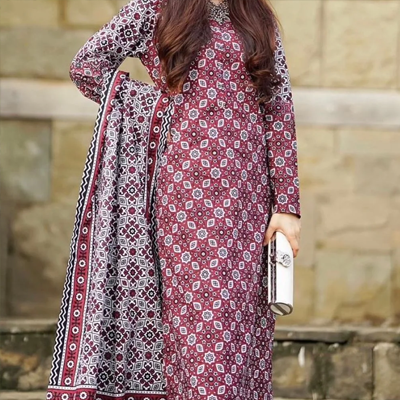
Elements That Define a Traditional Sindhi Outfit
A true Sindhi outfit is unmistakable due to its signature craftsmanship. Below are the elements that give it its distinct character.
1. Ajrak Fabric
Ajrak is perhaps the most recognizable feature. The patterns symbolize harmony, unity, and tradition. The cloth is usually hand-printed using natural dyes, making each piece unique. Many people wear Ajrak shawls during special events, often pairing them with contemporary clothing for a fusion style.
2. Mirror Embroidery
This embroidery technique, often seen on the kameez or choli, adds texture and elegance. The reflective effect was traditionally believed to ward off negative energy. Today, it enhances both casual and formal outfits.
3. Bright and Bold Color Palette
Sindhi clothing embraces vibrant reds, blues, yellows, and greens. These colors celebrate joy, culture, and festivity. While traditional hues remain popular, modern Sindhi outfits may also use pastels, neutrals, or monochrome tones for a more minimal look.
4. Classic Silhouettes
The most common silhouettes include:
- Kameez and Sharara
- Choli and Lehenga
- Long embroidered dresses
- Men’s kurtas paired with Ajrak shawls
Even as fashion evolves, these silhouettes remain an essential foundation of Sindhi style.
Modern Adaptations of the Sindhi Outfit in the United States
In recent years, South Asian fashion has grown tremendously in the U.S., especially among younger generations who want to celebrate their culture while embracing modern cuts and styling.
FusionWear
Designers now blend Sindhi embroidery with Western silhouettes. Examples include:
- Mirror-work jackets paired with jeans
- Ajrak scarves styled with Western dresses
- Minimalist Sindhi tops combined with neutral trousers
These transitional styles make the Sindhi outfit more wearable for both casual and formal American settings.
Contemporary Fabrics
While traditional Sindhi outfits often use cotton or silk, modern versions may incorporate chiffon, georgette, organza, and linen to increase comfort and versatility.
Event-Specific Styling
In the U.S., Sindhi outfits are popular for:
- Engagements
- Mehndi ceremonies
- Cultural festivals
- Religious celebrations
- Traditional family gatherings
The growing demand has inspired retailers to offer customized and ready-to-wear options specifically curated for the American market.
How to Style a Sindhi Outfit for Modern Occasions
To ensure your Sindhi outfit stands out while maintaining its cultural authenticity, consider these styling tips:
1. Choose the Right Jewelry
Silver jewelry complements the mirror work beautifully, while gold pieces give a more regal appearance. For a balanced look, avoid overly heavy sets unless attending a formal event.
2. Use a Statement Shawl
Adding an Ajrak shawl immediately elevates the outfit. Drape it traditionally or style it across one shoulder for a refined appearance.
3. Select Suitable Footwear
Traditional khussas remain a favorite, though many modern wearers prefer neutral heels or embellished sandals that match both traditional and fusion styles.
4. Consider Modern Cuts
A slightly tailored kameez or a structured blouse paired with a traditional lehenga creates a perfect balance between classic and contemporary.
5. Keep Makeup Balanced
Since Sindhi outfits often feature rich colors and patterns, neutral makeup adds elegance without overwhelming the overall look.
Why the Sindhi Outfit Remains Timeless
One reason the Sindhi outfit continues to captivate global audiences is its combination of tradition and modernity. It carries cultural meaning, yet adapts effortlessly to new trends. Its designs speak to heritage, craftsmanship, and identity, making it more than just clothing.
In the United States, many individuals of South Asian descent wear Sindhi outfits not only to honor their roots but also to share their culture in diverse communities. The outfit’s distinctive patterns and rich colors stand out beautifully at multicultural events, making it both a fashion statement and a symbol of tradition.
Conclusion
The sindhi outfit represents a heritage that is centuries old yet constantly evolving. Whether you are celebrating a cultural event, attending a special occasion, or simply expressing your unique style, this traditional attire offers elegance, symbolism, and artistic charm. Its craftsmanship and cultural depth make it a valued addition to any wardrobe, especially for those who appreciate meaningful fashion.
FAQs:
1. What is a Sindhi outfit?
A Sindhi outfit is traditional clothing from the Sindh region, known for its Ajrak fabric, mirror work embroidery, and bold colors.
2. Can I wear a Sindhi outfit in the United States?
Yes. Many people in the U.S. wear Sindhi outfits for weddings, cultural events, festivals, and traditional family gatherings.
3. What accessories match a Sindhi outfit?
Silver jewelry, Ajrak shawls, embellished sandals, and handcrafted bags pair beautifully with Sindhi clothing.
4. Are modern Sindhi outfits available in Western styles?
Absolutely. Designers now blend Sindhi fabrics and embroidery with contemporary silhouettes, making them suitable for everyday wear in the U.S.
5. What fabrics are used in Sindhi outfits?
Traditional Sindhi outfits use cotton and silk, while modern designs may include chiffon, georgette, organza, and linen.
Leave a Reply